Session with James J. Bonham, President and CEO of The ESOP Association
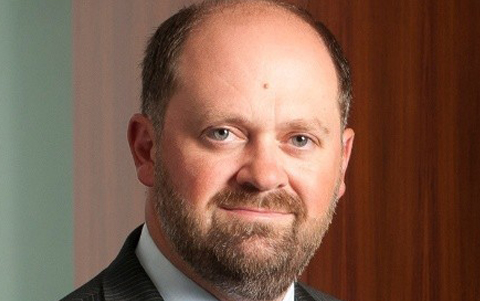


Deusto Business Alumni, in collaboration with ASLE, is hosting a session with James J. Bonham, President and CEO of The ESOP Association, and President of the Employee Ownership Foundation, entitled: “Employee ownership and industrial roots: the ESOP model in the United States versus sale to investment funds.”
During the session, we will explore how the ESOP model has enabled thousands of American companies to keep ownership and employment local. The discussion will also compare this approach with traditional business succession, where the involvement of investment funds can weaken ties to the local community.
The aim is to inspire industrial companies, institutions, and universities to explore new forms of ownership and participation that strengthen the local productive fabric.
At the end of the session, attendees will be invited to a coffee/networking.
The discussion will be moderated by Beatriz González, General Director of Betsaide, President of ASLE, and President of Azterlan.
The session will be conducted entirely in English.
About James J. Bonham:
James J. Bonham is President and CEO of The ESOP Association and President of the Employee Ownership Foundation, the two leading US organisations dedicated to promoting employee ownership.
He has over 25 years of experience in business leadership, public policy, and institutional relations in Washington, D.C.
Prior to his current role, he was President of the government relations and public policy practice at Manatt, Phelps & Phillips, LLP, and has been recognised as one of the 50 most influential advisers to the US Congress and Senate.
A graduate of Creighton University (Nebraska), Bonham is known for his vision of “shared capitalism” and his promotion of employee ownership models as a path to competitiveness, equity, and economic sustainability.
Under his leadership, The ESOP Association has become a key interlocutor in shaping tax and business policies that support employee shareholding and the continuity of family-owned businesses.